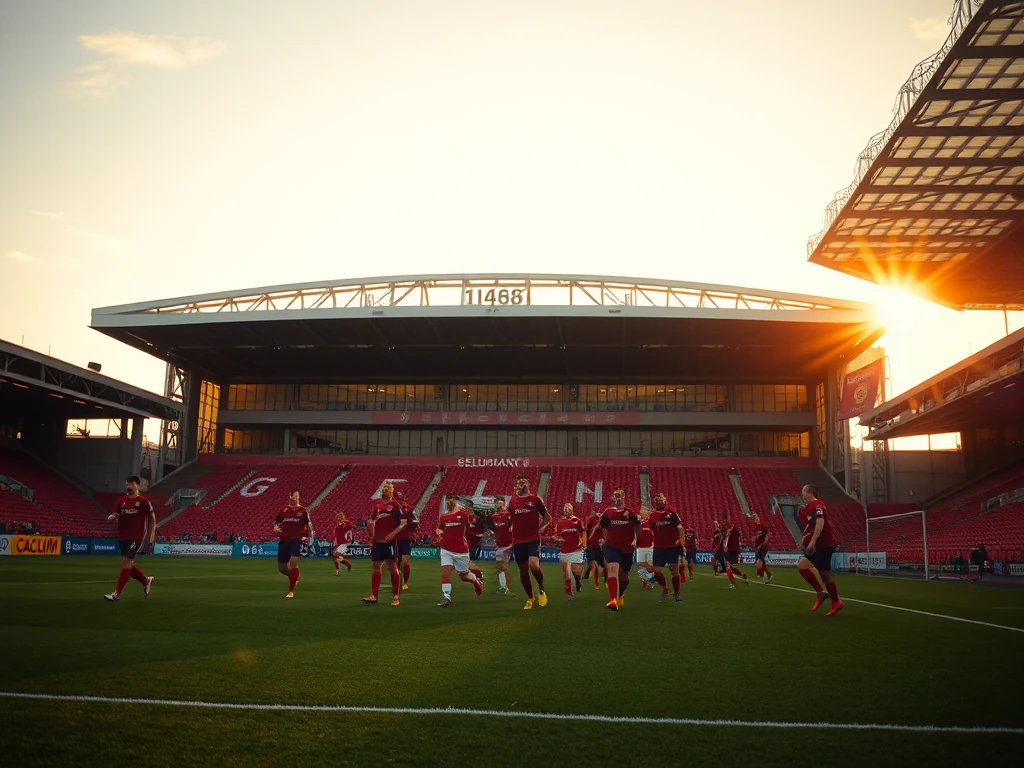

The year was 1991, a time when the women’s game was rapidly evolving but still fighting for recognition in a predominantly male-dominated sport. Crystal Palace Women, then known as Crystal Palace Ladies, found themselves at the heart of this transformation as they made a remarkable journey to the FA Women’s Cup Final, a defining moment not just for the club but for women's football across the nation.
The Eagles had shown resilience and flair throughout the tournament, navigating through some challenging matches to secure their place in the final. Those early rounds were filled with thrilling victories that showcased the growing talent within the squad, featuring players who would become household names in the women’s game. The semi-final was especially memorable, with Palace defeating a strong opposition to clinch their spot at Wembley, a feat that only added to the excitement surrounding the final.
On that fateful day, thousands of fans descended upon Wembley Stadium to witness history in the making. Crystal Palace faced off against the formidable Doncaster Belles, one of the most successful teams in women’s football at the time. Despite the challenges, the Eagles played with heart and determination, embodying the spirit that has come to define the club. While the match ended in disappointment, with Palace narrowly missing out on the trophy, the significance of their achievement transcended the scoreline.
Reaching the FA Women’s Cup Final was a watershed moment for Crystal Palace Women, as it not only highlighted their competitive prowess but also underscored the importance of women’s football within the broader sporting landscape. The exposure and recognition gained from this final helped to elevate the profile of the team and the women’s game, inspiring a new generation of female players to take up the sport.
In the years that followed, the success of that historic campaign served as a catalyst for growth. More young girls began to aspire to play football, and clubs across the country started investing in their women’s teams. Crystal Palace Women continued to build on their legacy, eventually competing in the Women’s Super League and becoming a vital part of the football community in London.
As we reflect on this remarkable chapter in the club’s history, it’s clear that the 1991 FA Women’s Cup Final was more than just a match; it was a significant milestone that demonstrated the potential of women’s football. The Eagles may have fallen short on that day, but their journey inspired countless others and laid the groundwork for the vibrant women’s football scene we see today. Crystal Palace Women’s legacy is not just one of competition, but of pioneering spirit and determination, a true testament to the power of sport in changing perceptions and creating opportunities.